.png)
The Connection Between Creativity, Mindfulness, and Emotional Health

What if one of the most effective ways to support emotional wellness wasn't found in a prescription bottle or expensive program—but in a blank journal, a box of colored pencils, or a few quiet moments of mindful reflection?
Across every stage of life, people naturally seek healthy ways to process emotions, reduce stress, and build resilience. Research continues to show that creative expression and mindfulness can work together to support emotional health by helping people become more aware of their thoughts, regulate difficult emotions, and strengthen healthy coping skills.
At Healing Through Creativity Foundation (HTCF), we believe emotional wellness should be accessible to everyone. Through creative expression, guided journaling, mindfulness practices, and educational resources, our mission is to empower individuals, families, educators, and communities with practical tools that encourage resilience and lifelong emotional well-being.
While creativity is not a replacement for professional mental health care, it can become a meaningful part of a healthy emotional wellness routine.
Why Creativity Supports Emotional Health
Creativity is much more than producing artwork. It is the process of expressing thoughts, emotions, experiences, and ideas in ways that feel meaningful.
Creative activities may include:
Coloring
Drawing
Painting
Writing
Journaling
Music
Storytelling
Crafting
Photography
Dance
Creative play
These activities encourage individuals to slow down and pay attention to the present moment.
Research suggests creative expression can:
Reduce everyday stress
Encourage emotional awareness
Improve mood
Strengthen problem-solving skills
Build self-confidence
Foster resilience
Encourage healthy emotional expression
Creative expression also provides a nonverbal outlet when emotions feel difficult to describe with words, making it especially valuable for children and individuals recovering from stressful or traumatic experiences.
Understanding Mindfulness
Mindfulness is the practice of intentionally paying attention to the present moment with curiosity and without judgment. (Source)
Rather than becoming overwhelmed by worries about the future or regrets about the past, mindfulness encourages individuals to notice their thoughts, emotions, and physical sensations as they occur.
Simple mindfulness practices include:
Deep breathing
Guided meditation
Body scans
Gratitude journaling
Mindful coloring
Mindful walking
Observing nature
Research from the American Psychological Association has found that mindfulness practices may improve emotional regulation, reduce stress, increase self-awareness, and promote overall psychological well-being.
How Creativity and Mindfulness Work Together
Creative Activities Naturally Encourage Mindfulness
Many creative activities place individuals into what psychologists often describe as a "flow state."
During flow:
Attention becomes fully focused.
Outside distractions fade.
Stress temporarily decreases.
Individuals become immersed in the present moment.
Coloring intricate designs, writing reflective journal entries, painting landscapes, or sculpting clay often create this mindful state naturally.
Rather than worrying about perfection, the brain shifts toward curiosity, exploration, and self-expression.
Creativity Helps Process Emotions
Emotions are not problems to eliminate—they are experiences to understand.
Creative activities provide a safe way to explore emotions that may feel overwhelming.
For example:
A child may draw a picture instead of trying to explain complicated feelings.
An adult may journal through grief.
A teenager may write poetry after a stressful event.
A family may create art together after experiencing change.
Creative expression can make difficult emotions feel more manageable because it gives them structure, meaning, and visibility.
This is one reason many trauma-informed approaches include creative activities alongside other supportive interventions.
Creativity, Neuroplasticity, and Emotional Growth
One of the most exciting areas of modern neuroscience is neuroplasticity.
Neuroplasticity refers to the brain's ability to form new neural connections throughout life. (Source)
Learning new skills, practicing mindfulness, engaging in creative activities, and repeating healthy habits all encourage the brain to adapt over time.
Although creativity alone does not "rewire" the brain overnight, consistent creative practice may support learning, emotional flexibility, and healthy coping by strengthening new patterns of thinking and behavior. (Source)
This offers hope because emotional wellness is not fixed—it can continue developing throughout life.
Why Creativity Matters for Children
Emotional Skills Begin Early
Children are still learning how to identify, express, and regulate emotions.
Creative activities provide developmentally appropriate opportunities to practice these skills.
Examples include:
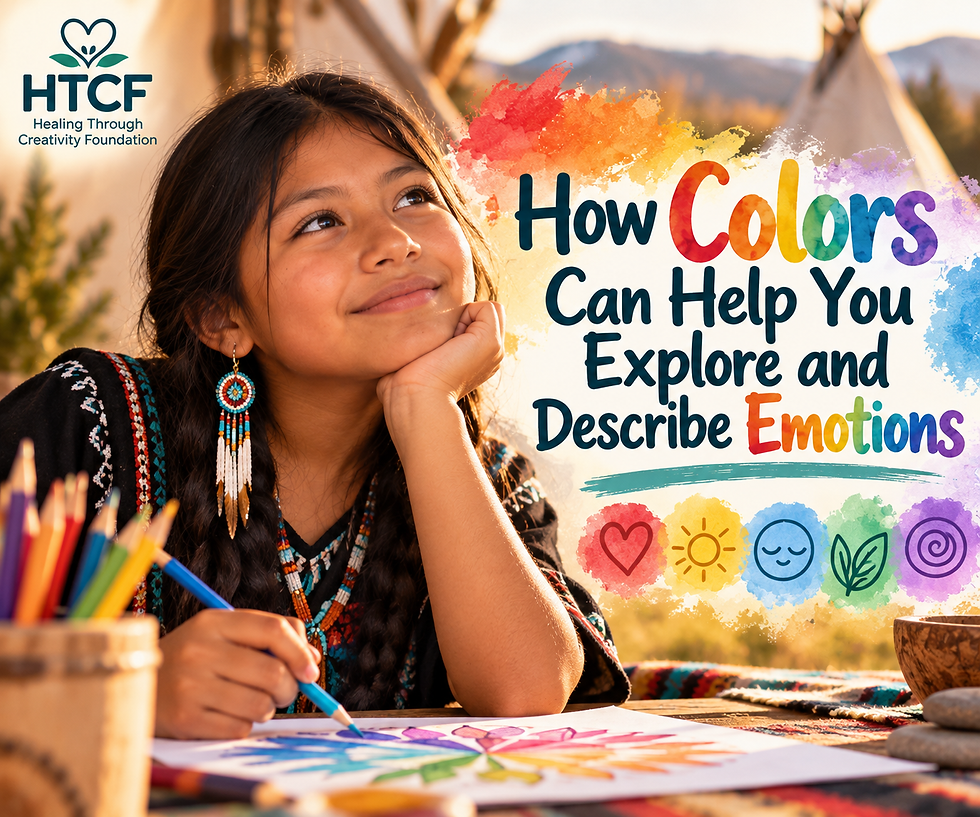
Coloring feelings
Drawing emotions
Storytelling
Puppet play
Music
Building with blocks
Creative movement
These activities encourage emotional vocabulary, self-awareness, communication, and confidence.
Instead of asking, "How do you feel?" adults can sometimes learn more by inviting children to draw, color, or tell a story.
Trauma-Informed Creative Practices
Trauma-informed care recognizes that many individuals have experienced adversity.
Rather than asking, "What's wrong with you?" trauma-informed approaches ask, "What happened to you?"
Creative activities can help create environments that feel:
Safe
Predictable
Empowering
Nonjudgmental
Supportive
Importantly, creativity should never be used to force emotional disclosure.
Instead, it offers individuals opportunities to express themselves when they feel ready.
Organizations such as the National Child Traumatic Stress Network and SAMHSA emphasize creating emotionally safe environments that promote resilience, connection, and choice.
Practical Ways to Combine Creativity and Mindfulness
You do not need artistic experience to benefit from creative wellness. (Source)
Try incorporating one or more of these simple activities into your routine:
Mindful Coloring
Focus on colors, patterns, breathing, and the movement of your hands.
Guided Journaling
Reflect on prompts such as:
What am I feeling today?
What helped me feel calm?
What am I grateful for?
Gratitude Art
Create drawings or collages representing moments of joy and appreciation.
Nature Sketching
Observe natural surroundings while slowly drawing leaves, flowers, or landscapes.
Creative Storytelling
Write short stories that explore courage, hope, kindness, or resilience.
Mindful Music
Listen carefully to calming music while noticing rhythm, breathing, and emotions.
Even 10–15 minutes each day can become a meaningful emotional wellness practice.
How Healing Through Creativity Foundation Supports Emotional Wellness
Healing Through Creativity Foundation believes emotional wellness should be practical, accessible, and community-centered.
Our mission is to improve emotional wellness through creative expression, education, and evidence-informed resources that encourage resilience across all ages.
Our interactive emotional wellness workbooks combine:
Creative coloring activities
Guided journaling and reflection prompts
Positive affirmations
Mindfulness practices
Emotional wellness education
These resources are designed to help children, families, educators, and community organizations strengthen emotional awareness and healthy coping skills in supportive, nonclinical ways.
By making creative wellness tools widely available, HTCF hopes to build stronger individuals, healthier families, and more resilient communities.
Frequently Asked Questions
Does someone need artistic talent to benefit from creative wellness?
No. The benefits come from the creative process—not artistic ability.
How does coloring support emotional wellness?
Coloring encourages focused attention, relaxation, mindfulness, and emotional reflection while providing a calming creative outlet.
Can journaling improve emotional health?
Journaling helps many people organize thoughts, increase self-awareness, process emotions, and practice gratitude. It is a helpful wellness habit but is not a substitute for professional care when needed.
Is mindfulness helpful for children?
Yes. Age-appropriate mindfulness activities such as breathing exercises, mindful coloring, and guided storytelling can help children build emotional awareness and self-regulation skills.
Is creativity considered a treatment for mental illness?
No. Creative activities can support emotional wellness and complement professional care, but they should not replace evaluation or treatment from qualified healthcare professionals.
Conclusion
Creativity and mindfulness remind us that emotional wellness is not built in one dramatic moment—it grows through small, intentional practices repeated over time.
Whether someone colors for ten minutes, writes in a journal after a difficult day, or simply pauses to breathe while creating something meaningful, these moments help strengthen self-awareness, resilience, and emotional balance.
Healing Through Creativity Foundation is committed to making these tools accessible so individuals, families, educators, and communities can discover the healing potential of creativity. By combining evidence-based education with practical creative wellness resources, we can help build healthier minds, stronger relationships, and more resilient communities.


Comments