.png)
How Coloring Activities Reduce Stress and Support Mental Well-Being

Updated: Jul 26
In today's fast-paced world, stress has become a common part of life for both children and adults. From school responsibilities and family challenges to work demands and daily pressures, many people are searching for simple and accessible ways to support their emotional well-being.
One creative activity that has gained increasing attention from researchers, educators, and mental health professionals is coloring. While often associated with childhood, coloring can be a powerful wellness practice for people of all ages. More than just a recreational activity, coloring offers an opportunity to slow down, focus attention, and engage the mind in a calming and meaningful way.
Research published in the National Library of Medicine (NIH) suggests that creative activities such as coloring may help reduce stress, improve emotional regulation, encourage mindfulness, and support overall mental well-being. When combined with positive affirmations, journaling, and other creative wellness practices, coloring can become a valuable tool for emotional wellness and resilience-building.
At Healing Through Creativity Foundation (HTCF), we believe creative expression can help individuals and communities build healthier emotional habits, strengthen resilience, and discover accessible pathways toward healing and well-being.
What Is Coloring for Emotional Wellness?
Coloring for emotional wellness involves intentionally engaging in coloring activities to support relaxation, mindfulness, self-expression, and emotional regulation.
Unlike artistic projects that focus on creating a finished product, coloring emphasizes the process rather than perfection. Individuals can focus on colors, patterns, shapes, and creative choices without worrying about artistic skill.
This simplicity makes coloring accessible to nearly everyone, including children, teens, adults, older adults, and individuals experiencing emotional challenges.
The Science Behind Coloring and Stress Reduction
Research by American Psychological Association (APA) has shown that creative activities can positively influence emotional well-being by engaging areas of the brain associated with attention, emotion regulation, and relaxation.
Coloring Encourages a Mindful State
Mindfulness involves paying attention to the present moment without judgment. According to researchers, mindfulness practices can help reduce stress and improve emotional well-being.
When people focus on selecting colors, staying within patterns, and completing a design, their attention naturally shifts away from worries about the past or future. This focused attention creates a calming effect that resembles other mindfulness practices.
Studies published in peer-reviewed journals have found that coloring structured geometric patterns, such as mandalas, may reduce anxiety and promote relaxation.
Coloring May Lower Stress Responses
Stress activates the body's natural fight-or-flight response. While this response is important in certain situations, chronic stress can affect emotional and physical well-being over time.
Creative activities such as coloring may help activate the body's relaxation response by encouraging slower breathing, focused attention, and a sense of calm.
Researchers at Harvard Medical have found that engaging in creative arts activities can support stress reduction and emotional recovery by providing a safe outlet for attention and expression.
Coloring Supports Emotional Regulation
Emotional regulation is the ability to understand, manage, and respond to emotions in healthy ways.
Coloring provides a structured, low-pressure activity that can help individuals pause and redirect attention during moments of stress or emotional overwhelm. This can be particularly helpful for children who may not yet have the words to explain how they are feeling.
As a result, coloring can become a useful emotional wellness tool for developing self-awareness and coping skills.
How Coloring Benefits the Brain
The brain remains capable of learning and adapting throughout life through a process known as neuroplasticity.
Supporting Positive Neural Pathways
Repeated positive experiences help strengthen neural connections over time.
When coloring is paired with affirmations, gratitude practices, journaling, or mindfulness exercises, individuals may reinforce healthy thought patterns and emotional habits. While coloring alone is not a treatment, it can complement activities that support emotional growth and resilience.
Improving Focus and Attention
Coloring requires concentration and visual engagement. This can help individuals practice sustained attention while reducing mental distractions.
For children, coloring activities may support the development of focus, patience, and task completion skills. For adults, coloring can provide a mental break from constant digital stimulation and multitasking.
Encouraging Creativity and Problem-Solving
Creative activities engage multiple regions of the brain. Choosing colors, experimenting with combinations, and making artistic decisions stimulate creative thinking and flexibility.
These experiences can contribute to a greater sense of confidence, curiosity, and personal accomplishment.
Coloring and Children's Emotional Wellness
Children often communicate feelings through play, art, and creative expression before they can fully express emotions through words.
Helping Children Identify Emotions
Coloring activities can provide opportunities for children to explore emotions in a safe and supportive environment.
Parents, educators, and caregivers can encourage conversations by asking simple questions such as:
How are you feeling today?
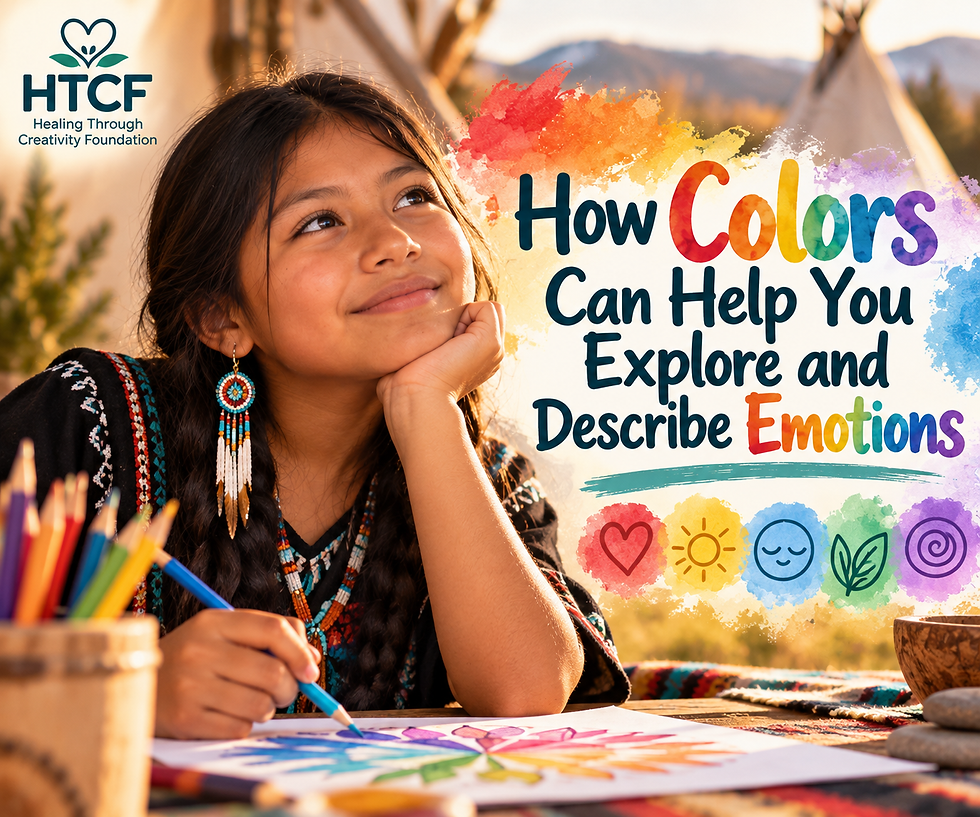
What color matches your mood?
What part of this picture do you enjoy most?
These discussions can strengthen emotional awareness and communication skills.
Creating Predictability and Safety
Trauma-informed approaches emphasize the importance of safety, consistency, and empowerment this was found in research by Substance Abuse and Mental Health Service Administration.
Coloring activities provide a structured experience where children can make choices, work at their own pace, and experience a sense of accomplishment. This can help create feelings of safety and predictability, which are important components of emotional wellness.
Building Resilience Through Creative Expression
Resilience develops when individuals learn healthy ways to cope with challenges and emotions.
Creative activities allow children to express themselves, explore strengths, and experience success. Over time, these positive experiences can contribute to confidence and emotional growth.
Coloring as a Trauma-Informed Wellness Activity
Trauma-informed practices recognize that many individuals have experienced adversity and benefit from supportive, empowering environments.
Coloring aligns with several trauma-informed principles because it is:
Accessible
Nonjudgmental
Choice-based
Flexible
Self-paced
Creative
Importantly, coloring does not require individuals to discuss difficult experiences. Instead, it offers a gentle opportunity to focus attention, practice self-regulation, and engage in a calming activity.
For many people, creative expression can become one piece of a broader emotional wellness toolkit.
Practical Ways to Use Coloring for Emotional Wellness
Pair Coloring With Deep Breathing
Before beginning a coloring session, take several slow breaths. This helps signal the body to relax and become present.
Add Positive Affirmations
Writing or reading affirmations while coloring can reinforce encouraging thoughts and self-compassion.
Examples include:
I am learning and growing.
I can handle challenges one step at a time.
My feelings matter.
Combine Coloring and Journaling
After coloring, spend a few minutes reflecting on the experience.
Questions might include:
How do I feel right now?
What helped me relax today?
What am I grateful for?
This combination of coloring and journaling supports emotional awareness and reflection.
Create Family Coloring Time
Families can benefit from shared creative experiences. Coloring together encourages connection, conversation, and quality time without the pressure of screens or busy schedules.
How HTCF Supports Emotional Wellness
Healing Through Creativity Foundation believes that emotional wellness resources should be accessible, practical, and empowering.
Through creative wellness initiatives, trauma-informed educational resources, coloring-based emotional wellness programs, journaling activities, and community outreach efforts, HTCF works to help children, families, and communities discover healthy ways to support emotional well-being.
Our mission is rooted in the belief that creative expression can provide meaningful opportunities for growth, resilience, self-discovery, and healing.
By combining creativity with education and evidence-informed wellness practices, HTCF seeks to make emotional wellness tools available to those who may not otherwise have access to them.
Frequently Asked Questions
1. Can coloring really help reduce stress?
Research suggests that coloring can promote relaxation, mindfulness, and focused attention, which may help reduce feelings of stress and anxiety.
2. Is coloring only beneficial for children?
No. Studies show that adults can also experience emotional wellness benefits from coloring, including improved relaxation and stress management.
3. What types of coloring pages are best for stress relief?
Many people find geometric patterns, mandalas, nature scenes, and inspirational designs particularly calming. The best choice is the one you enjoy most.
4. Can coloring replace therapy or mental health treatment?
No. Coloring is a wellness activity that may support emotional well-being, but it is not a substitute for professional mental health care when needed.
5. How often should someone use coloring for emotional wellness?
There is no specific requirement. Even 10 to 20 minutes several times per week may provide opportunities for relaxation, mindfulness, and creative expression.
Conclusion
Coloring offers a simple yet meaningful way to support emotional wellness. By encouraging mindfulness, focus, creativity, and emotional regulation, coloring activities can help individuals of all ages navigate everyday stress and build healthier emotional habits.
Whether used independently or alongside journaling, affirmations, and mindfulness practices, coloring provides an accessible pathway for creative expression and self-care.
At Healing Through Creativity Foundation, we recognize the power of creativity to foster resilience, connection, and emotional growth. Through evidence-informed, trauma-sensitive approaches, we remain committed to helping individuals and communities discover healing and hope through creative wellness practices.


Comments