
How Creativity Builds Healthy Coping Skills

A child may not always have the words to say, “I feel overwhelmed.” However, that same child may draw a storm, choose dark colors, write a short story, or shape clay with their hands. Creative expression can provide another way to notice, explore, and communicate emotions.
Creativity is more than making something beautiful. It can also be a practical way to pause, process feelings, and practice healthy responses to stress. Drawing, coloring, journaling, music, movement, storytelling, and crafts can all become part of a person’s coping toolkit.
At Healing Through Creativity Foundation (HTCF), we believe emotional wellness skills can be taught, practiced, and strengthened. By making creative wellness resources more accessible, we help children, families, and communities discover supportive ways to understand emotions and build resilience.
What Are Healthy Coping Skills?
Healthy coping skills are actions people use to manage stress, strong emotions, change, and everyday challenges. These skills do not remove every difficult feeling. Instead, they help people respond in ways that support safety, well-being, and connection.
Examples include taking slow breaths, talking with a trusted person, writing in a journal, taking a movement break, coloring, or asking for help. The best strategy may differ from one person or situation to another.
The Centers for Disease Control and Prevention explains that childhood mental health includes reaching emotional milestones, developing social skills, and learning how to cope with problems. Therefore, coping skills are an important part of healthy development—not something children should be expected to discover alone.
Healthy coping is a learned process
Children learn emotional skills through repetition, supportive relationships, and real-life practice. Adults also continue learning new ways to respond to stress throughout life.
A coping skill becomes more useful when it is practiced during calm moments. Then, when stress rises, the strategy feels more familiar and easier to use.
How Creativity Supports Emotional Regulation
Emotional regulation is the ability to notice, understand, and respond to emotions in a helpful way. It does not mean hiding sadness, anger, fear, or disappointment. Instead, it involves making space for emotions without allowing them to control every decision.
Creative activities can support this process by giving attention and energy a safe direction. For example, a person might draw what frustration looks like, write about a stressful day, or use color to describe their mood.
A 2019 review in Behavioral Sciences found that artistic activities may regulate emotions through several pathways. Creative activities can help people avoid unhelpful rumination, approach emotions in a manageable way, and develop new perspectives. Still, individual responses vary, and creativity should not be presented as a guaranteed treatment.
Creativity can make feelings easier to express
Some emotions are difficult to explain in words, especially for young children. Art, movement, music, and storytelling offer other forms of communication.
A child who draws a picture about a difficult experience may not be ready to explain every detail. A caring adult can respond gently by saying, “Tell me about your picture,” rather than assuming what it means.
This approach respects the child’s voice. It also creates space for connection without pressure.
Coloring, Mindfulness, and the Power of a Pause
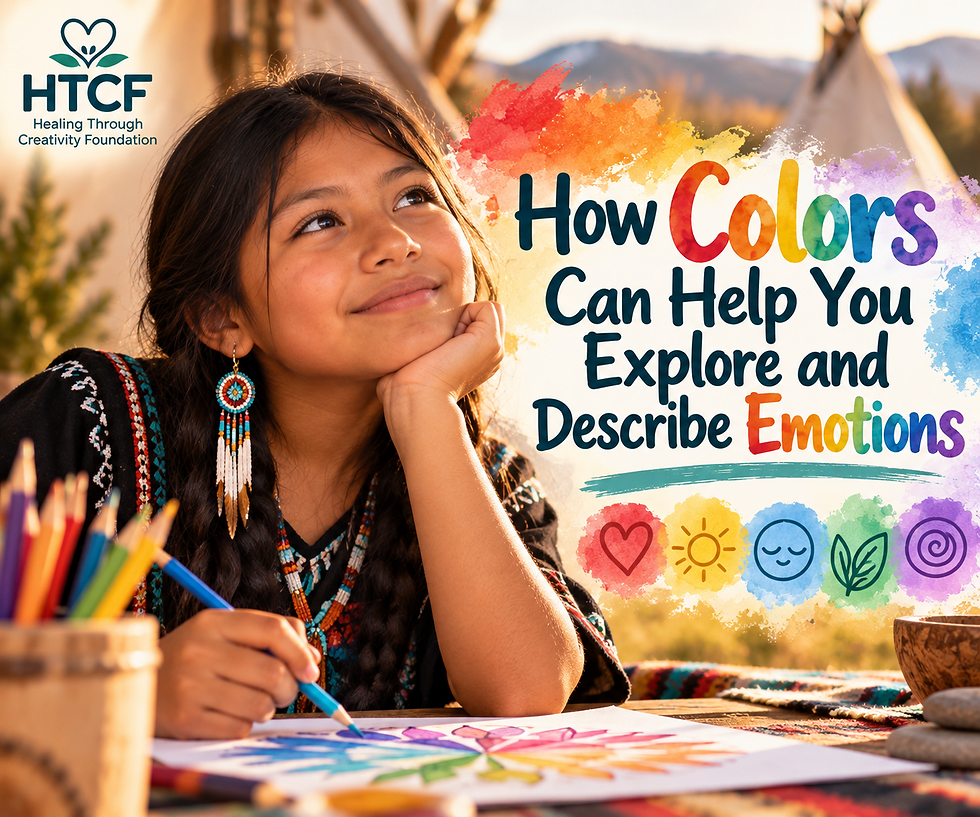
Coloring is a simple creative wellness activity that requires few materials. It can help direct attention toward shapes, patterns, colors, and movements in the present moment.
Research on coloring published in PubMed is promising but mixed. Some studies have found reductions in short-term anxiety, particularly when coloring is paired with mindful guidance. However, coloring alone does not work the same way for everyone.
The goal is not perfect coloring. Instead, the activity can provide a structured pause in which a person notices their breathing, relaxes their grip, and chooses colors without judgment.
Try a mindful coloring practice
Choose a page that feels welcoming rather than overly detailed. Before beginning, take one slow breath and notice how your body feels.
As you color, pay attention to the movement of the pencil or crayon. If your mind wanders, gently return your attention to the page. Afterward, name one emotion you noticed and one thing you need.
This practice can be used at home, in a classroom, or within a community program. Participation should remain voluntary, especially in trauma-informed settings.
Journaling Helps Organize Thoughts and Feelings
Journaling creates a private space to slow down and put experiences into words. A person might describe an emotion, list current worries, record something hopeful, or write about the next helpful step.
Expressive writing has been studied for decades. Research suggests that it may provide benefits for some people under certain conditions, although findings are not equally strong across every study or population.
Writing can help a person organize a complicated experience and consider it from a new perspective. However, no one should be pressured to write about painful memories. A trauma-informed prompt should offer choice and allow the writer to stop at any time.
Gentle journaling prompts
Helpful prompts include:
What feeling is asking for my attention today?
Where do I feel this emotion in my body?
What helped me through a difficult moment before?
Who is one safe person I can contact?
What is one kind thing I can do for myself today?
Young children can draw their answers, dictate them to a trusted adult, or use a combination of pictures and words.
Creativity, Neuroplasticity, and Practice
Neuroplasticity describes the brain’s ability to change and adapt through experience. The brain forms and strengthens connections as skills are learned and repeatedly used.
Harvard’s Center on the Developing Child explains that repeated experiences help strengthen frequently used brain circuits. New connections can form throughout life, although early childhood is an especially active period of development.
This does not mean one coloring page will “rewire the brain.” Rather, consistent practice matters. When a child repeatedly pauses, names a feeling, chooses a coping strategy, and receives support from a caring adult, the child is practicing a useful emotional pattern.
Creative activities can make that practice more engaging. Over time, familiar routines may help a person access healthy coping skills more readily.
Creativity Can Help Build Resilience
Resilience is the capacity to adapt and keep moving forward during or after challenges. It does not mean a person is never hurt, worried, or discouraged.
Supportive relationships are central to resilience. Creative activities can strengthen those relationships when children and adults make, share, and reflect together.
For example, a caregiver and child might create “coping cards” showing strategies such as breathing, drawing, stretching, or asking for a hug. An educator might invite students to design a personal calm-space plan. A community group might use a shared art project to encourage belonging and hope.
Each activity communicates an important message: You have strengths, your feelings matter, and you do not have to manage everything alone.
Creativity Within Trauma-Informed Healing
A trauma-informed approach recognizes that people may have experienced overwhelming or unsafe events. It does not require anyone to reveal personal details.
The Substance Abuse and Mental Health Services Administration identifies safety, trust, peer support, collaboration, empowerment, and choice among the guiding principles of trauma-informed practice. Creative wellness programs should reflect these same values.
Therefore, participants should have choices about materials, prompts, participation, and sharing. Adults should avoid forcing children to explain their artwork or complete an activity that causes discomfort.
Creative expression is support, not a test
There is no correct way to draw an emotion or write about an experience. Artwork should not be graded for emotional meaning, and adults should not diagnose someone based on colors or images.
Creative wellness activities are also different from art therapy. Art therapy is a mental health profession delivered by a trained and credentialed art therapist. Community art, coloring, and journaling can support wellness, but they do not replace professional assessment or care when it is needed.
Practical Ways to Build Creative Coping Skills
Creative coping does not require costly supplies or artistic talent. Consistency, choice, and emotional safety matter more than the finished product.
At home
Create a small coping basket with crayons, paper, a journal, sensory materials, and emotion cards. Invite the child to choose an activity rather than assigning one as a punishment.
Families can also schedule a five-minute creative pause after school or before bedtime. Adults can participate too, which shows that emotional wellness is important at every age.
In schools and youth programs
Educators can include short drawing, breathing, or journaling breaks during transitions. Students might create a color-based emotional check-in or illustrate several healthy ways to handle frustration.
These activities should supplement, not replace, school counseling and other student supports.
In community and healthcare settings
Waiting rooms, family centers, nonprofit programs, recovery organizations, and community events can offer accessible creative wellness stations. Clear instructions, varied materials, and private participation options can make activities feel safer and more inclusive.
How HTCF Supports Emotional Wellness
Healing Through Creativity Foundation works to improve emotional wellness through creative expression, education, and accessible healing tools. Our mission is grounded in the belief that every person deserves opportunities to learn healthy emotional skills.
HTCF’s creative wellness activities, interactive emotional wellness workbooks, coloring-based programs, journaling practices, and mindfulness techniques are designed to encourage reflection and skill-building. Our children’s emotional wellness initiatives also help caring adults begin supportive conversations about feelings, resilience, and hope.
Through trauma-informed healing approaches, HTCF seeks to expand access for children, teens, adults, and communities that may have had fewer opportunities to receive emotional wellness education. These resources are educational and supportive; they are not substitutes for medical or mental health treatment.
Frequently Asked Questions
1. How does creativity help people cope with stress?
Creative activities can focus attention, offer a way to express emotions, and create a pause before reacting. They may also help people explore new perspectives and identify what they need.
2. Does someone need artistic talent to benefit?
No. Creative coping focuses on the process, not the quality of the finished work. Simple activities such as coloring, doodling, journaling, collage, music, or movement can be meaningful.
3. What creative activities are best for children?
The best activity is safe, age-appropriate, and chosen with the child’s interests in mind. Drawing feelings, coloring, storytelling, crafts, music, and creating coping cards are helpful starting points.
4. Can coloring or journaling replace counseling?
No. These activities may support emotional wellness, but they do not replace qualified professional care. Seek help from an appropriate healthcare or mental health professional when distress is ongoing, intense, or affecting daily life.
5. How can adults make creative activities trauma-informed?
Offer choice, explain the activity, avoid forced sharing, respect boundaries, and focus on strengths. Most importantly, create a calm environment in which participants can pause or stop without judgment.
Conclusion
Creativity and healthy coping skills are closely connected because both invite people to pause, notice, express, and choose. A crayon, journal, song, or piece of clay cannot solve every problem. However, it can become one accessible tool within a broader system of support.
When creative activities are paired with caring relationships, emotional education, mindfulness, and trauma-informed practices, they can help people practice emotional regulation and resilience. Through this work, HTCF is helping make emotional wellness tools more understandable, welcoming, and available to the communities that need them.


Comments